
Living in Southern California means being around air pollution everyday, even if you can’t see it.
As the only person in my family with asthma, I wondered why only I had it? Through the program, Our Future is Science, I met environmental experts and began connecting my health to the pollution near me.
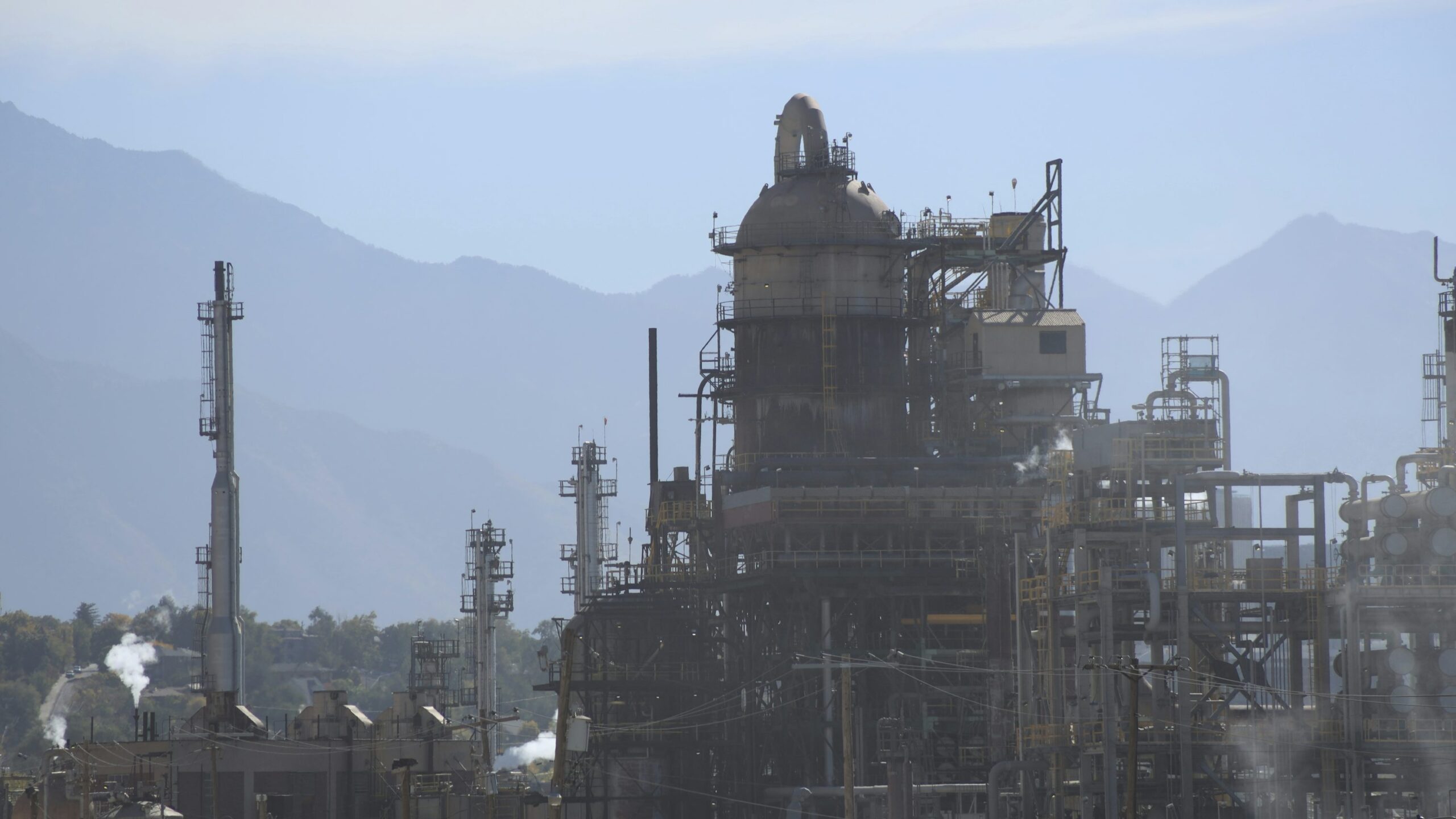
My school faced the Phillips 66 refinery, which contributes to 87% of the cancer risk in Wilmington. Many of my classmates assumed we were safe indoors, but I began asking: If the air outside is toxic, is staying indoors really enough to protect us?
Not exactly.
Indoor air quality can be much worse than the air outside, especially in communities already overburdened by outdoor sources like highways due to historic zoning. This issue is rarely talked about despite us breathing it in all the time.
Wilmington and Long Beach rank among the lowest Human Development Index scores and life expectancies in LA County. When children with asthma are unsafe indoors, it’s clear that indoor air quality is an issue we can’t ignore.
I turned to Mia Ridley, an OFIS mentor and a second-year Ph.D. candidate in Environmental Engineering to understand what we could do to safeguard ourselves. “Protecting your health doesn’t require a science degree and it’s as simple as cleaning the dust on top of your fan blades,” they said.
In the kitchen, gas stoves are quietly releasing nitrogen dioxide into the air. The asthma risk from cooking with gas is comparable to secondhand smoke. “I recommend opening the windows for fifteen minutes a day to prevent stale air buildup,” Ridley advised. They suggest using a dehumidifier, air quality monitors, or even building Corsi-Rosenthal Boxes to protect yourself indoors.

Dr. Elliot Gall, an air quality expert at Portland State University explains that even the most reassuring solutions come with challenges. “Aesthetics, maintenance, noise, and cost all matter,” Gall said. “You can’t assume everyone wants a big, ugly box in their room.”
In Wilmington and Long Beach, the line between outdoor and indoor air quality fades. Technology isn’t enough when your home sits next to a refinery. “You need a different solution which is where work continues,” said Dr. Elliot Gall. The solution not talked about enough is to address deeper, systemic issues.
Julie Vu, a registered nurse at Harbor Teacher Preparation Academy, recalled how “During the LA fires, students with asthma used their inhalers more often.” She told me that challenges will always remain. For instance, Long Beach port electrification takes years to redesign. From filters to electric stoves to moving out of the city, many solutions remain out of reach for low-income families. “There shouldn’t be a pay barrier,” Ridley said, noting how groups like Mask Bloc LA give out free masks to those who need it.
Dr. David Sittenfeld, Director of the Center for Environment at the Museum of Science in Boston, expressed how art can help people be more aware of this issue by reminding them that air pollution is invisible. “Use art to understand this invisible killer because these emissions are there all the time,” he said.
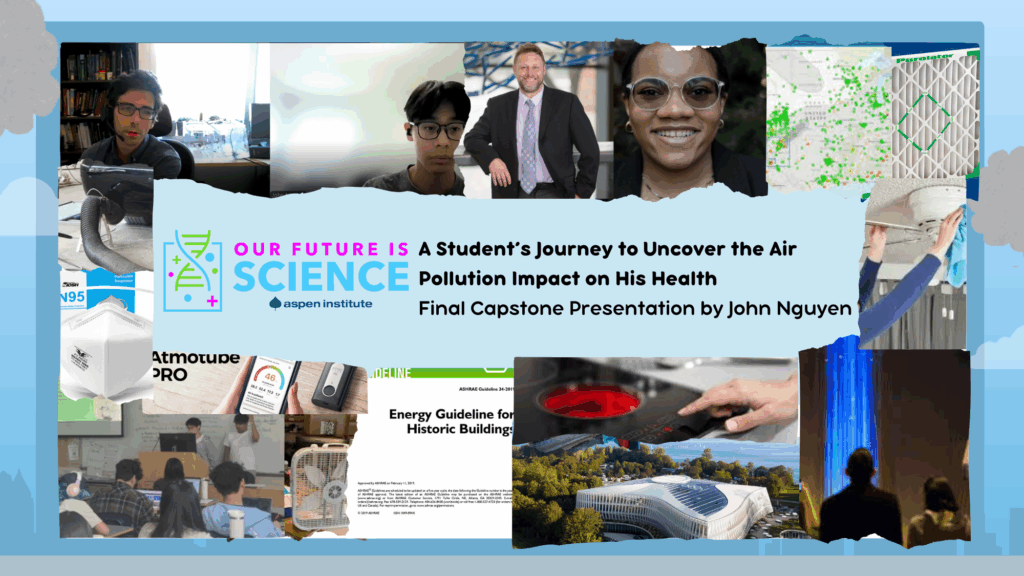
After OFIS, I realized that the responsibility to carry change doesn’t lie on experts alone. Through grassroots activism and community efforts, even students can push for policies that actually serve the needs of places like Wilmington and Long Beach.
For many families, the air in their homes is already damaging their health, and they don’t even know it. California’s proposed 3,200-foot buffer zone between oil wells and neighborhoods is a step in the right direction, but it’s not enough. Change starts when lawmakers begin prioritizing systemic issues over profit and aesthetic upgrades that result in little impact.
Change starts with youth voices like mine. I believe clean air shouldn’t be a luxury and representatives should stock filters and masks like COVID kits, funded by tax incentives. We need decision-makers to meet us eye to eye and recognize, as Ridley said, “Clean air is a human right, the same way clean water is.”